

The church desperately
Needs Reform Today
The church in
north america
is in crisis
but Jesus can Reform His Church -
one Christian at a Time,
one Christian Family at a Time,
one Local Church at a Time

The Western church faces a spiritual crisis, seen in widespread scandals, the mass exodus of young people from the faith, and increasing hostility from the surrounding culture. Like the Reformers of the 16th century, we must return to Scripture alone as our authority and to wholehearted obedience to Christ.
My vision for reformation is not program-driven or institutional but a call to return to the Bible in our thinking, affections, and actions—at the individual, family, and local church levels. This begins with restoring the centrality of Scripture: grounding our teaching in the Word rather than in entertainment, self-help, or human wisdom; equipping leaders and members to rightly interpret and apply the text; and boldly teaching the holiness of God and the cost of discipleship. On the basis of Scripture, Christians must effortfully obey what God’s word teaches as they bear the cost of their discipleship, and church leaders must be exemplary examples. Moreover, it calls for intentional shepherding and life-on-life discipleship, where leaders personally care for and guide every member, rather than relying on large programs, impersonal structures or only the Sunday sermon which is necessary but not sufficient for their lifelong growth.
True reformation also requires rebuilding genuine Christian community. Too often, “church” is treated as an event we attend rather than a family we belong to. We must recover relationships of trust and care so that our love for one another is more than words. And our corporate life must be shaped by Great Commission prayer and personal evangelism, making the advance of the gospel central in both our gatherings and our daily lives.
While the demographic center of Christianity has shifted to Africa, Asia, and South America, the Western church still has a rich spiritual heritage, theological heritage and many resources to offer the global body of Christ. But this will only happen if we repent, reform, and once again become a faithful example for other churches to follow. Without such renewal, we risk repeating the spiritual decline seen in much of Europe in their post-Christian society.
church reform requires:
1. Centrality of Scripture - Many churches have drifted toward entertainment-driven services, personality-driven preaching, or mystical practices that replace God’s Word with subjective experience. Even where the Bible is preached, leaders and members must be trained to exegete the text faithfully, not merely repeat theological concepts. Churches must also recover the skill of applying Scripture to daily life and boldly teach the holiness of God, the cost of discipleship, and the call to repent — truths often neglected in Western pulpits.
- 2 Timothy 3:16-17

2. Effortful obedience - Beyond biblical knowledge and expositional preaching, individual Christians must actively pursue obedience in daily life. True faith is reflected in resisting worldliness, heeding the convictions of the Holy Spirit, and prioritizing God’s commands over convenience or personal desire. This requires intentional planning, disciplined time management, and incremental steps to address sinful habits, cultivate holiness, and faithfully live out the Great Commission. Effortful obedience ensures that theology is not merely theoretical but transformative, producing godly lives that honor Christ and effectively witness to the world.
- Galatians 5:16

3. Shepherding and life-on-life discipleship - Pastors and elders are called to care personally for every member’s soul (Heb. 13:17), not just oversee programs or large gatherings. This requires meeting with individuals, knowing their spiritual condition, and guiding all attendees into committed membership in a Bible-believing church, ensuring every believer is equipped, encouraged, and held accountable in their walk with Christ.
- Acts 20:28
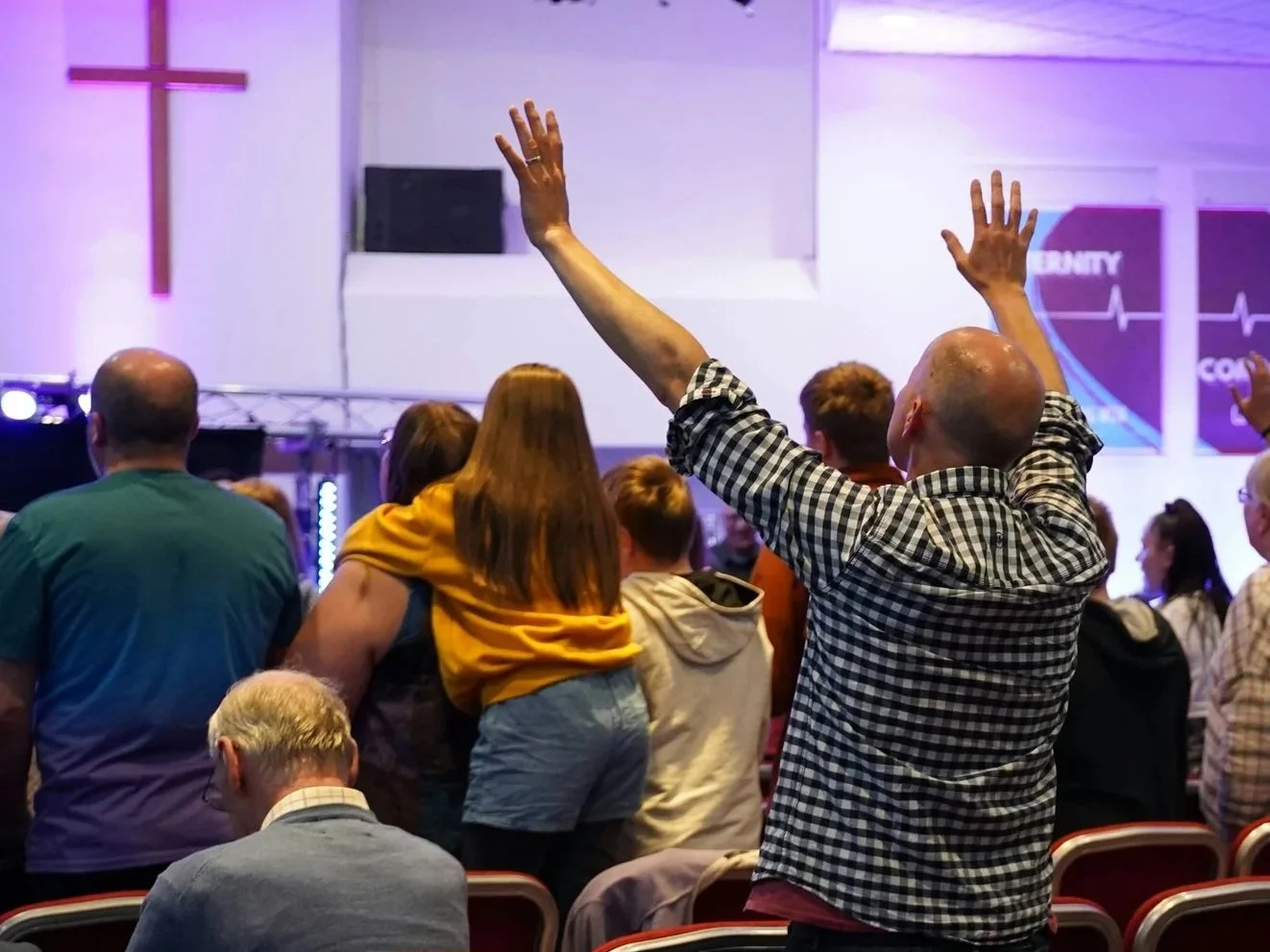
4. Genuine community in the local church - Despite much talk about “community,” many believers barely know one another, and much less to have the depth of relationship that can help one another combat sin, support one another in times of crisis and vulnerabilities and strengthen one another in the task of sharing the gospel together with the Lost. True fellowship begins with real relationships that treat the church as family, which then makes biblical love possible. Without this foundation, “loving one another” remains an empty phrase and the world is robbed of our witness of genuine and authentic love and unity which point others to Jesus
- John 13:35; 17:21
5. Great Commission–centered prayer and every Christian evangelizing - Prayer meetings are often sparsely attended and focused mainly on personal needs, rather than on personal holiness and the advance of the gospel. Local churches should unite in prayer for the sanctification of church members and for evangelism and missions while equipping every believer to share the gospel regularly with family, friends, classmates, coworkers, and neighbors. Without this, the church fails in its mission and loses its credibility before the world.
- Matthew 28:19-20
church reform today
aims to
a) Train pastors and lay leaders for effective ministry in local churches.
b) Support the ministries of local churches through leadership development, theological training, and advisory services.
c) Develop and distribute biblically grounded educational resources—such as videos, audio content, and written materials—for churches and church leaders.
d) Host seminars, workshops, and ministry events to equip church leaders and ministry workers.
e) Engage in partnerships with churches and church leaders to identify ministry training needs and to address areas of leadership and community life in need of biblical reform.